









Let's Talk About Ceramides
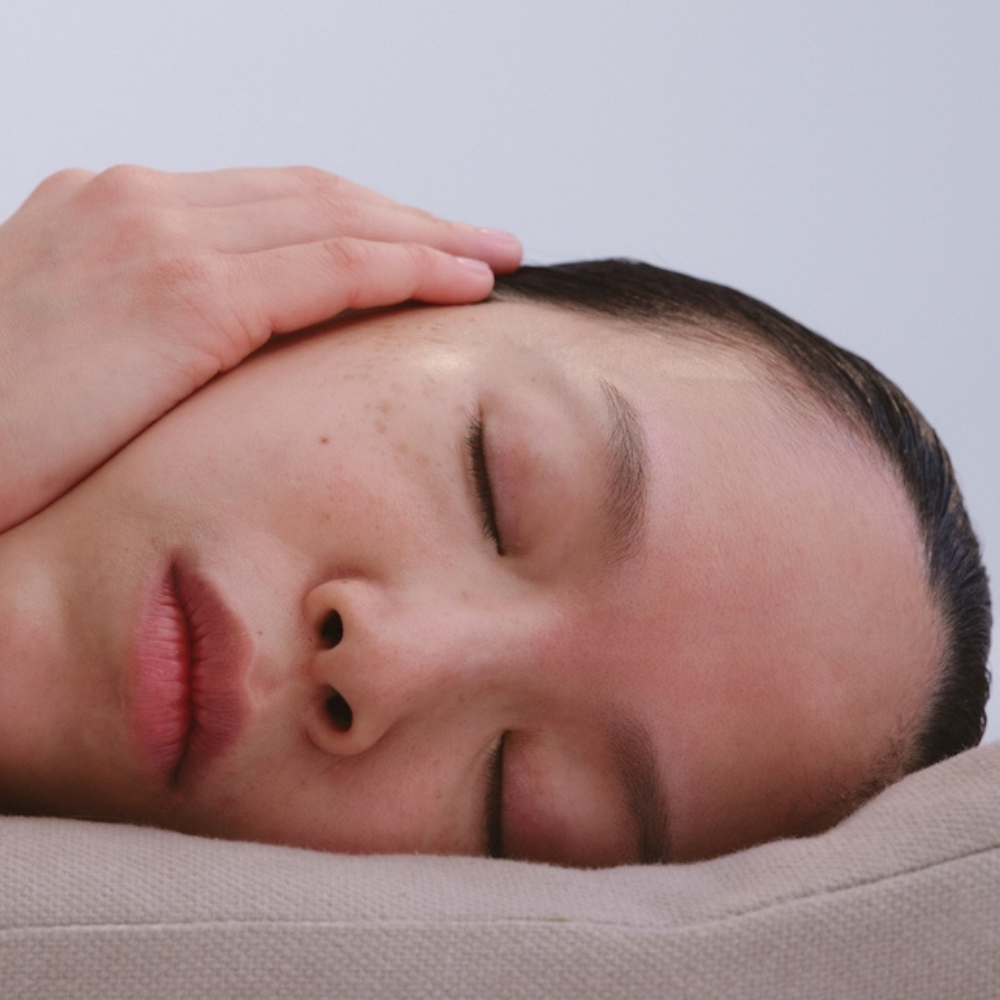
Ceramides are lipids (skin-identical fats) naturally found in the outermost layer of your skin, called the stratum corneum. They make up roughly 50% of the skin barrier lipids by mass and play a major role in keeping skin strong, comfortable, and hydrated.
Natural ceramide levels decline with age, which is one reason many women notice their skin becoming drier, tighter, or more reactive in their 40s and beyond.
A moisturizer that combines ceramides with cholesterol and fatty acids helps replenish the same blend your skin naturally uses to support a healthy barrier.
Why ceramides deserve more attention
If you've spent any time looking at skincare labels lately, you've probably noticed the word "ceramides" everywhere. Good. They've earned the spotlight.
They're not the flashiest skincare ingredient, but they may be one of the most important.
Here's why they deserve a real seat at the table in your routine.
What are ceramides?
Your skin barrier sits in the outermost layer of your skin, called the stratum corneum. It's often described as a brick wall. Your skin cells are the bricks, and the lipids between them (ceramides, cholesterol, and fatty acids) are the mortar holding everything together. That mortar helps your skin hold onto moisture and keep out things that shouldn't be there, like irritants and allergens.
Of those lipids, ceramides do a lot of the heavy lifting. They make up roughly 50% of the skin barrier lipids by mass.
When that mortar starts to deplete, moisture can escape more easily, and skin may feel rougher, drier, or more reactive than it used to be. Ingredients that never bothered you before suddenly do. That's a compromised barrier, and it's incredibly common.
Why ceramide levels drop as we age
Here's the part that doesn't get talked about enough. Natural ceramide levels begin to dip as we get older, often becoming more noticeable in our 40s. Add in sun exposure, harsh cleansers, over-exfoliation, hot showers, and stress (the real kind we all carry), and you can see why so many of us start asking, "When did my skin become so reactive?"
It didn't. It just lost some of its mortar.
How to spot quality ceramides on a moisturizer label
When you're scanning a moisturizer, you'll usually see ceramides listed as "ceramide NP," "ceramide AP," "ceramide EOP," or sometimes just "ceramide complex." All are good signs.
Look for products that pair ceramides with humectants (like hyaluronic acid or glycerin) alongside cholesterol or fatty acids to better mimic the natural blend your skin produces on its own. That trio is considered the gold standard for barrier support.
Where to start
If your skin has been feeling tight or reactive, the answer is rarely more actives. Usually, it's more support. Ceramides are a great place to start.
Read more
Your skin barrier does more than you think. Learn what it is, signs it needs support, and which ingredients help keep it healthy.

Skin produces less oil, fewer ceramides, and less hyaluronic acid as we age. Here are the real reasons your skin feels drier in your 40s and beyond.