



Why Your Skin Gets Drier As You Age
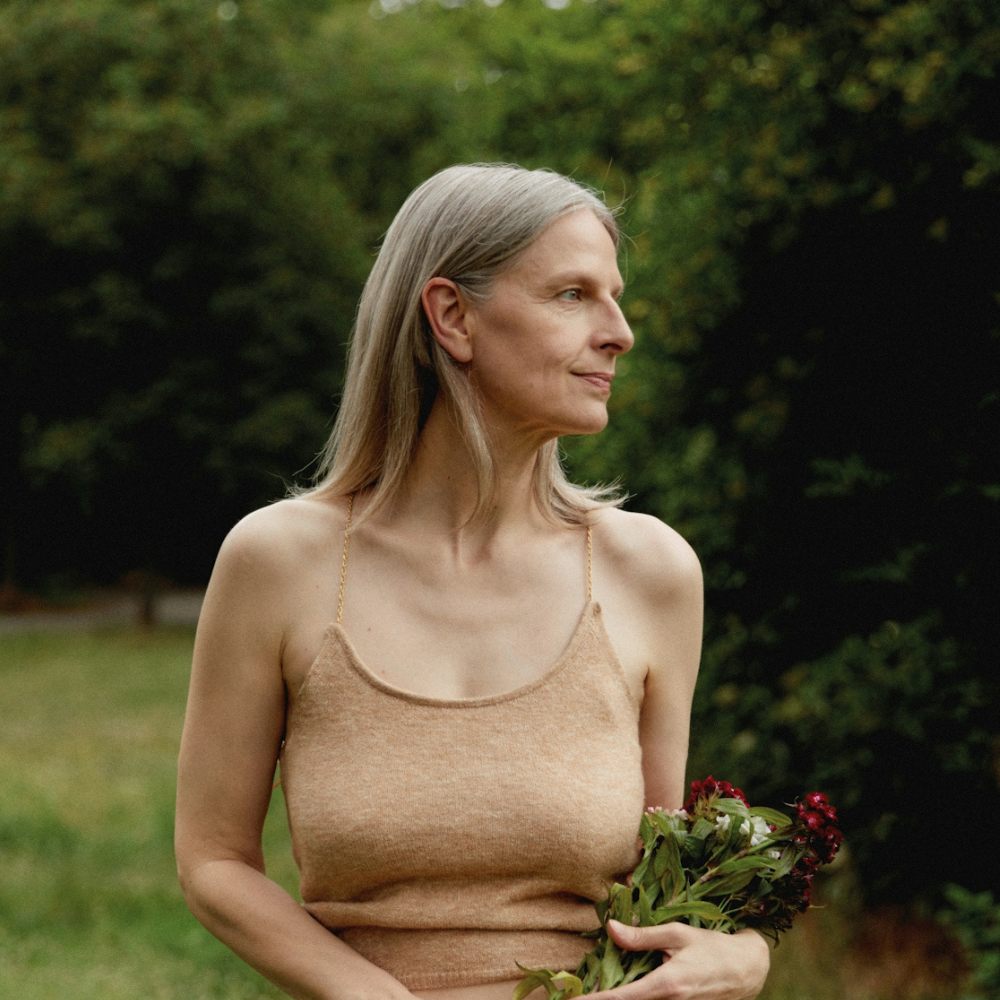
If your skin doesn't behave the way it used to, you're not making it up. As we age, our skin produces less of almost everything that used to keep it soft. Less oil. Fewer ceramides. Less hyaluronic acid. Hormonal shifts (especially the drop in estrogen during perimenopause and menopause) compound it, and cell turnover slows on top of all that. The net result is skin that can feel tighter, drier, and less resilient than it did ten years ago.
The good news? Every one of these changes can be supported. Here's what's actually going on, and where to focus.
Your skin is making less oil
If your skin used to feel oily and now it just doesn't, that's not in your head. The sebaceous glands that produce your skin's natural oil (called sebum) slow down as you age. Production peaks in young adulthood and drops from there, with a bigger dip in women after 40 and a significant one after menopause. Less oil means less of a natural seal, which means moisture leaves faster.
Your barrier lipids are dropping
Your skin barrier is held together by a kind of mortar made of ceramides, cholesterol, and fatty acids. Natural levels of all three decline with age. When that mortar gets depleted, moisture escapes more easily and skin can feel rougher and more reactive.
Your skin is making less hyaluronic acid
Hyaluronic acid is one of the skin's natural moisture reservoirs. It can hold up to 1,000 times its weight in water, which is how your skin stays plump and hydrated. Production starts to dip in your 30s and keeps declining from there. Less hyaluronic acid means less moisture stored in the skin overall, which is part of why skin can start to feel less plump in midlife.
Hormones, especially estrogen
For women, perimenopause and menopause come with a steep drop in estrogen. Research shows estrogen plays an important role in collagen production, skin thickness, hydration, and barrier function. When estrogen drops, those functions drop with it. This is the reason so many women feel like their skin changed overnight in their late 40s or early 50s.
Cell turnover slows down
In younger skin, the renewal cycle averages around 28 days. By our 40s and 50s, that process slows considerably, which means older surface cells stick around longer. Those older cells hold less water and reflect light less evenly, which can leave skin looking drier, duller, and more tired.
Where to start
The fix isn't more actives. It's giving back what your skin is making less of.
Look for a moisturizer that combines ceramides with cholesterol and fatty acids (the barrier blend), plus humectants like hyaluronic acid or glycerin. That combination mirrors what your skin used to make on its own.
Midlife skin isn't broken. It's changing. And understanding those changes makes it much easier to care for it with more intention and less frustration.
Read more
Ceramides are your skin's natural mortar. Learn what they do, why levels drop with age, and what to look for on a moisturizer label.
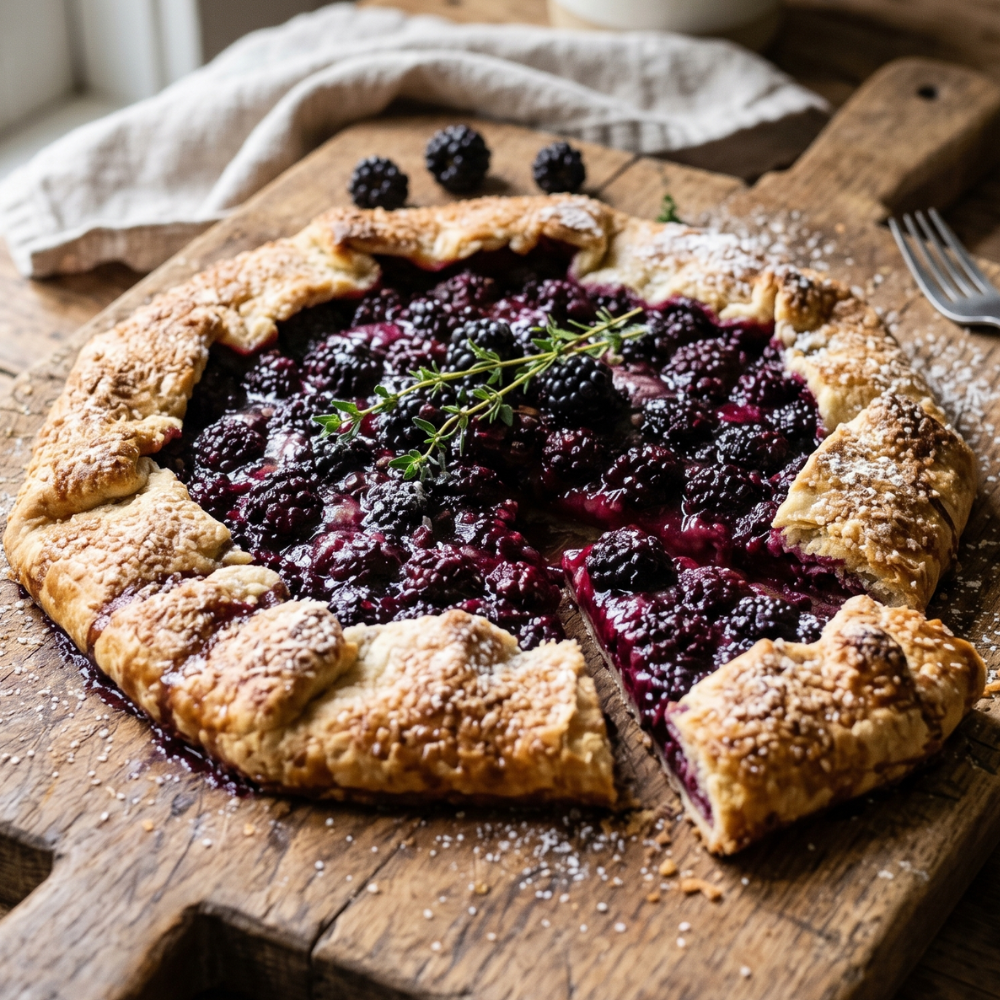
I just planted four blackberry bushes. That probably sounds like a small thing. But for me, it's the kind of small thing that means everything. I love blackberries. I love how they look in the ...